
Why Intentional Movement Matters in a Busy City
Life in a busy city can make it surprisingly easy to spend an entire day barely moving. Between commuting, working at a desk, running errands, and managing personal responsibilities, physical activity can become something we squeeze into the margins rather than something we intentionally make time for. Developing a consistent movement practice can be one way to bring more awareness and balance into an otherwise hectic routine.
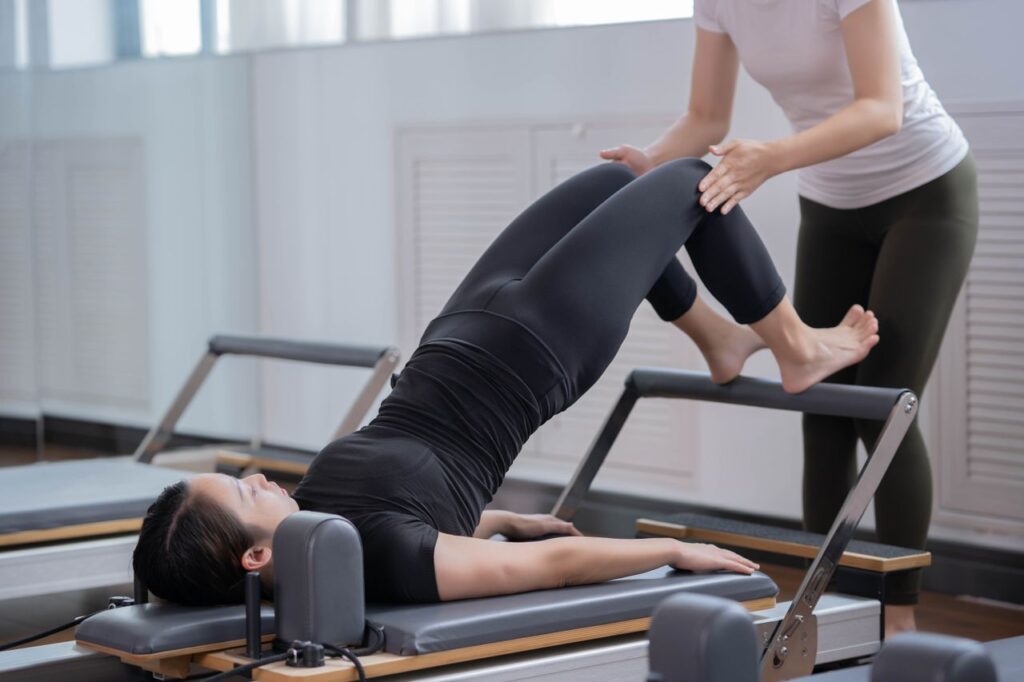
For people looking for structured ways to incorporate movement into their lives, Mind & Motion Pilates in LA offers a dedicated environment for building strength, mobility, and body awareness through Pilates.
The Difference Between Moving and Moving Intentionally
Most people move throughout the day. Walking to the car, climbing stairs, carrying groceries, or standing during a meeting all involve physical activity.
Intentional movement is different because it involves deliberately setting aside time to focus on how the body moves.
Instead of simply trying to accumulate more activity, an intentional practice can emphasize things like posture, breathing, alignment, stability, flexibility, and controlled strength. These elements can make movement feel more purposeful.
The goal does not necessarily have to be an intense workout. It can simply be developing a greater awareness of how your body feels and moves.
Why City Life Can Make Movement Difficult
Cities offer plenty of opportunities to be active, but modern routines can still encourage sedentary habits.
Many jobs involve hours of sitting at a computer. Long commutes can reduce available free time, while smartphones and other technology make it possible to spend even more of the day sitting.
There is also the mental fatigue that comes with a busy schedule. After a long day, the idea of going to the gym can feel like another obligation.
Creating a movement routine that is enjoyable and sustainable can help overcome some of these barriers. When exercise becomes something you genuinely look forward to, consistency can become easier.
Movement and Body Awareness
One benefit of intentional movement is that it encourages people to pay attention to their bodies.
During a controlled exercise, you may notice how your posture changes, where you are holding tension, or whether one side of your body feels different from the other.
This awareness can carry over into everyday activities. You might become more conscious of how you sit at your desk, how you stand while waiting in line, or how you move when carrying something.
Over time, movement can become less about completing a workout and more about developing a better relationship with your body.
Strength Does Not Have to Mean Maximum Effort
Fitness culture often emphasizes intensity. Heavy weights, fast-paced workouts, and high-intensity training can certainly have their place, but strength can also be developed through controlled movements.
Exercises that require stability and precision can challenge muscles without necessarily relying on maximum resistance.
This is one reason practices such as Pilates have become popular among people looking for a different approach to fitness. The emphasis on controlled movement can make a session physically challenging while also requiring concentration.
Making Movement Part of a Routine
Consistency is often more useful than occasional bursts of motivation.
Someone who exercises for 30 minutes several times a week may develop a more sustainable routine than someone who completes an exhausting workout once every few weeks.
Finding a convenient time and place can make a significant difference. Some people prefer morning workouts, while others have more energy in the afternoon or evening.
The type of movement matters too. A routine is easier to maintain when it fits your interests and lifestyle.
Movement Can Also Create a Mental Break
Physical activity can provide a break from screens, emails, meetings, and other demands of modern life.
A focused workout requires attention. Instead of thinking about the next task on your schedule, you may spend an hour concentrating on breathing, positioning, balance, and movement.
That change of focus can make exercise feel like more than physical training. It can become a designated period when your attention is directed toward something happening in the present moment.
For people with demanding schedules, that can be valuable in itself.
Finding the Right Kind of Movement
There is no single form of exercise that works for everyone.
Some people enjoy running or cycling. Others prefer strength training, yoga, dance, swimming, or Pilates. The important consideration is finding an approach that matches your goals, physical abilities, schedule, and preferences.
Trying different forms of movement can help you discover what feels sustainable rather than simply following the latest fitness trend.
A good routine should challenge you while still being something you can realistically maintain.
Creating Space for Intentional Movement
A busy schedule will rarely create extra time on its own. Often, movement has to be given a specific place in the day.
That might mean scheduling a class before work, taking a walk during lunch, setting aside time after work, or establishing a short movement routine at home.
The key is treating that time as part of your routine rather than something that can always be postponed.
In a city where schedules can change constantly, having a consistent movement practice can provide a small amount of structure.
A Different Way to Think About Fitness
Intentional movement is ultimately less about chasing a perfect workout and more about creating a sustainable relationship with physical activity.
When movement becomes something you consciously practice, it can support strength, mobility, coordination, and body awareness while giving you a regular opportunity to step away from the pace of daily life.
For anyone living in a busy city, that may be one of the simplest ways to create a little more balance in an otherwise demanding routine.